Abstract
Fertilizer use in cotton production remains an important issue, especially in continuous cotton where farmers commonly apply the same rates year after year. This experiment was initiated in 1972 to evaluate the long-term effects of N, P and K fertilization on lint yield and lint quality. Each year, N, P and K fertilizers (depending on the treatment) were surface applied and incorporated prior to planting. Cotton yields were determined using a machine stripper. Lint yields peaked at the 40 lb N/ac rate with or without P and/or K fertilization. Although some increases in lint yields were observed in selected years at the 80 lb N/ac rate, increased N above 40 lb N/ac in the irrigated cotton study was not significant. Limited differences in P and K fertilization were noted from 1972 to 1999. One of the largest differences noted over the years was in yield potential as a result of changing varieties. Most recently, the use of Paymaster (145 and HS26) varieties have shown significant increases in lint yields, exceeding 1000 lbs/acre. This long-term experiment clearly shows that N applied at the 40 lb N/ac rate (when soil test P or K are adequate) resulted in near maximum lint yield.
Experiment
439 was initiated in the spring of 1972 to evaluate the long-term
effects of N, P and K on cotton yields at the Irrigation Research
Station near Altus. This
study along with 222, 406, 407, 501, 502, 503, 504, 505 was started by
Dr. Billy Tucker, and continued by Dr. Robert L. Westerman. The
Irrigation Research Station is located in the Lugert Altus Irrigation
District (LAID), which consists of surface impoundment by the Lugert Dam
of some tributaries of the North Fork of the Red River. Irrigation at
the research station is accomplished by utilizing concrete ditches, with
water furrow applied via siphon tubes. The irrigation district allocates
irrigation water to the research station as it does to local producers,
with the amount varying each year as to the supply available in the
reservoir. Large unlined earth canals are used to distribute the water
to the various areas within the district. Some farms near these canals
experience drainage problems associated with canal seepage which
adversely affect crop yields. Underground tile drainage (installed in
the late 1970’s) has been employed to facilitate lowering of the water
table. The objective of
this experiment is to determine the effect of long-term applications of
N, P, and K on lint yield and cotton quality.
Procedures
Experiment 439 was
established in 1972 on the western side of the Irrigation Research
Station on soil that had previously been in continuous cotton under
conventional tillage since approximately 1964. This soil was classified
as a Tillman-Hollister clay loam (fine, mixed, thermic Typic Paleustolls).
Soil test characteristics in from the 1988 for selected treatments are
listed in Table 1. Each plot within the experiment has received annual
applications of fertilizers at the rates indicated in Table 2. The N, P,
and K fertilizer sources used are ammonium nitrate (33.5-0-0), triple
super phosphate (0-46-0) and potassium chloride (0-0-62), respectively.
The plot dimensions are six rows wide (40 inch row spacing) by 60 feet
in length. The experimental design is a randomized complete block with
four replications. Irrigation is applied as available, with allocations
from the Lugert Altus Irrigation District varying from year to year.
Since the irrigation water is furrow applied, the amount applied per
application would be approximately 3 to 4 acre-inches. Cultural
practices and other information pertaining to the experiment are found
in Table 3. In the early years of the experiment harvest was
accomplished by hand pulling the center two rows of the plot by 50 feet
in length. In 1976 harvest was performed by machine stripper harvesting
the rows. Beginning in 1983, grab samples were collected from the
harvested material in each plot and ginned on small ginning equipment in
order to approximate lint turn out or ginning percent. Also beginning in
1983, boll samples were taken, ginned and fiber properties on these lint
samples determined by appropriate procedures.
Table
1. Treatment applications and experimental management for Experiment
#439, Altus, OK, 1972-1999.
|
Year |
Fertilizer |
Planting |
Variety |
Seeding |
#of |
Harvest |
|
1972 |
5-15-72 |
5-31-72 |
Stoneville
213 |
22 |
3 |
12-22-72 |
|
1973 |
5-16-73 |
5-25-73 |
Stoneville
213 |
22 |
3 |
No
Data |
|
1974 |
5-10-74 |
5-30-74 |
Stoneville
213 |
22 |
2 |
12-18-74 |
|
1975 |
5-19-75 |
5-16-75 |
Lankart
LX-571 |
21 |
1 |
12-3-75 |
|
1976 |
5-12-76 |
5-18-76 |
Lankart
LX-571 |
20 |
5 |
11-19-76 |
|
1977 |
4-8-77 |
5-17-77 |
Lankart
LX-571 |
21 |
2 |
11-18-77 |
|
1978 |
8-7-78 |
5-10-78 |
Westburn
M |
21 |
4 |
12-7-78 |
|
1979 |
5-17-79 |
5-31-79 |
Westburn
M |
21 |
1 |
12-7-79 |
|
1980 |
7-24-80 |
5-22-80 |
Westburn
M |
21 |
6 |
12-2-80 |
|
1981 |
7-16-81 |
5-23-81 |
Westburn
M |
20 |
1 |
12-2-81 |
|
1982 |
5-19-82 |
5-20-82 |
Westburn
M |
21 |
4 |
1-11-83 |
|
1983 |
5-11-83 |
6-1-83 |
Westburn
M |
21 |
7 |
12-9-83 |
|
1984 |
4-26-84 |
5-24-84 |
Westburn
M |
21 |
5 |
1-1-85 |
|
1985 |
5-17-85 |
5-17-85 |
Westburn
M |
21 |
4 |
12-21-85 |
|
1986 |
5-10-86 |
5-23-86 |
Westburn
M |
18 |
3 |
1-6-87 |
|
1987 |
5-11-87 |
5-13-87 |
Westburn
M |
18 |
4 |
12-2-87 |
|
1988 |
5-4-88 |
6-21-88 |
Westburn
M |
18 |
6 |
11-30-88 |
|
1989 |
4-27-89 |
5-23-89 |
Paymaster
145 |
16 |
3 |
11-8-89 |
|
1990 |
5-14-90 |
5-15-90 |
Paymaster
145 |
21 |
2 |
11-2-90 |
|
1991 |
3-11-91 |
5-28-91 |
Paymaster
145 |
21 |
4 |
12-5-91 |
|
1992 |
5-5-92 |
7-1-92* |
Paymaster
145 |
17.8 |
1 |
2-1-93 |
|
1993 |
3-25-93 |
5-27-93 |
Paymaster
145 |
17.6 |
5 |
11-30-93 |
|
1994 |
4-21-94 |
5-10-94 |
Paymaster
145 |
18.4 |
5 |
10-4-94 |
|
1995** |
5-3-95 |
5-16-95 |
Paymaster
HS26 |
16.2 |
|
|
|
1996 |
4-25-96 |
5-9-96 |
Paymaster
HS26 |
17.2 |
3 |
11-7-96 |
|
1997 |
4-22-97 |
5-14-97 |
Paymaster
HS26 |
17.2 |
2 |
10-31-97 |
|
1998 |
4-23-98 |
5-19-98 |
Paymaster
HS26 |
17.2 |
7 |
10-9-98 |
|
1999 |
5-14-99 |
5-19-99 |
Paymaster
HS26 |
17.2 |
5 |
10-21-99 |
*
initial planting date 6-11-92 **
crop lost due to hail storm
|
Table 2.
Treatment structure and mean lint yields for the periods
1972-1981, 1982-1991, 1992-1999 and 1972-1999, Experiment #439,
Altus, OK. |
|||||||
|
Trt. |
N lb/ac |
P2O5 lb/ac |
K2O lb/ac |
1972-1981 |
1982-1991 |
1992-1999 |
1972-1999 |
|
|
|
|
|
Lint
yield, lb/ac |
|||
|
1 |
0 |
0 |
0 |
415 |
523 |
641 |
517 |
|
2 |
0 |
40 |
80 |
424 |
522 |
638 |
519 |
|
3 |
40 |
40 |
80 |
426 |
629 |
919 |
637 |
|
4 |
80 |
40 |
80 |
387 |
631 |
928 |
627 |
|
5 |
120 |
40 |
80 |
388 |
655 |
932 |
637 |
|
6 |
160 |
40 |
80 |
407 |
577 |
926 |
612 |
|
7 |
200 |
40 |
80 |
361 |
578 |
908 |
592 |
|
8 |
0 |
0 |
0 |
414 |
521 |
625 |
512 |
|
9 |
120 |
0 |
80 |
396 |
626 |
893 |
618 |
|
10 |
120 |
80 |
80 |
398 |
631 |
957 |
638 |
|
11 |
120 |
120 |
80 |
381 |
569 |
922 |
599 |
|
12 |
0 |
0 |
0 |
433 |
541 |
646 |
532 |
|
13 |
120 |
40 |
0 |
399 |
605 |
912 |
616 |
|
14 |
0 |
0 |
0 |
420 |
544 |
624 |
523 |
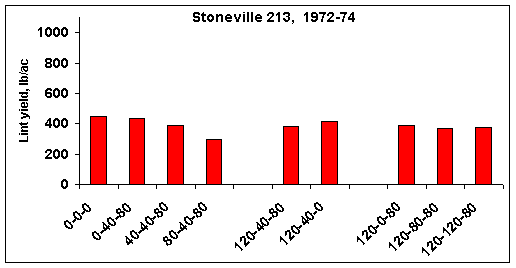
Figure 1. Mean lint yields for selected treatments using the variety, Stoneville 212, 1972-1974, Altus, OK.
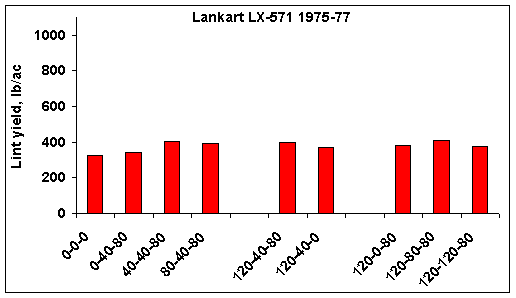
Figure 2.
Mean lint yields for selected treatments using the variety, Lankart
LX-571, 1975-1977, Altus, OK.
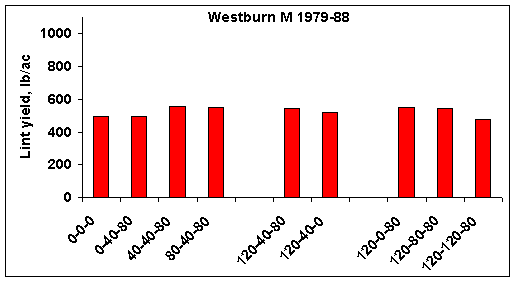
Figure 3.
Mean lint yields for selected treatments using the variety,
Westburn M 1979-88, Altus,
OK.
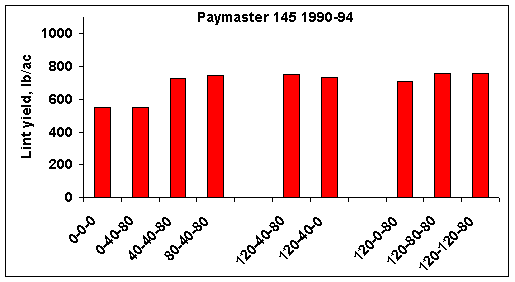
Figure 4.
Mean lint yields for selected treatments using the variety,
Paymaster 145, 1990-1994, Altus, OK.
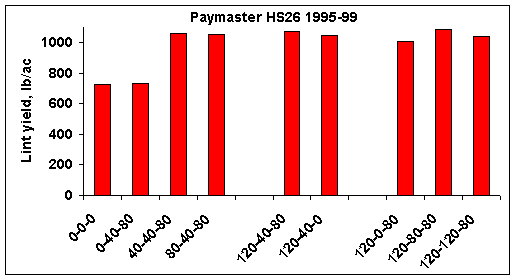
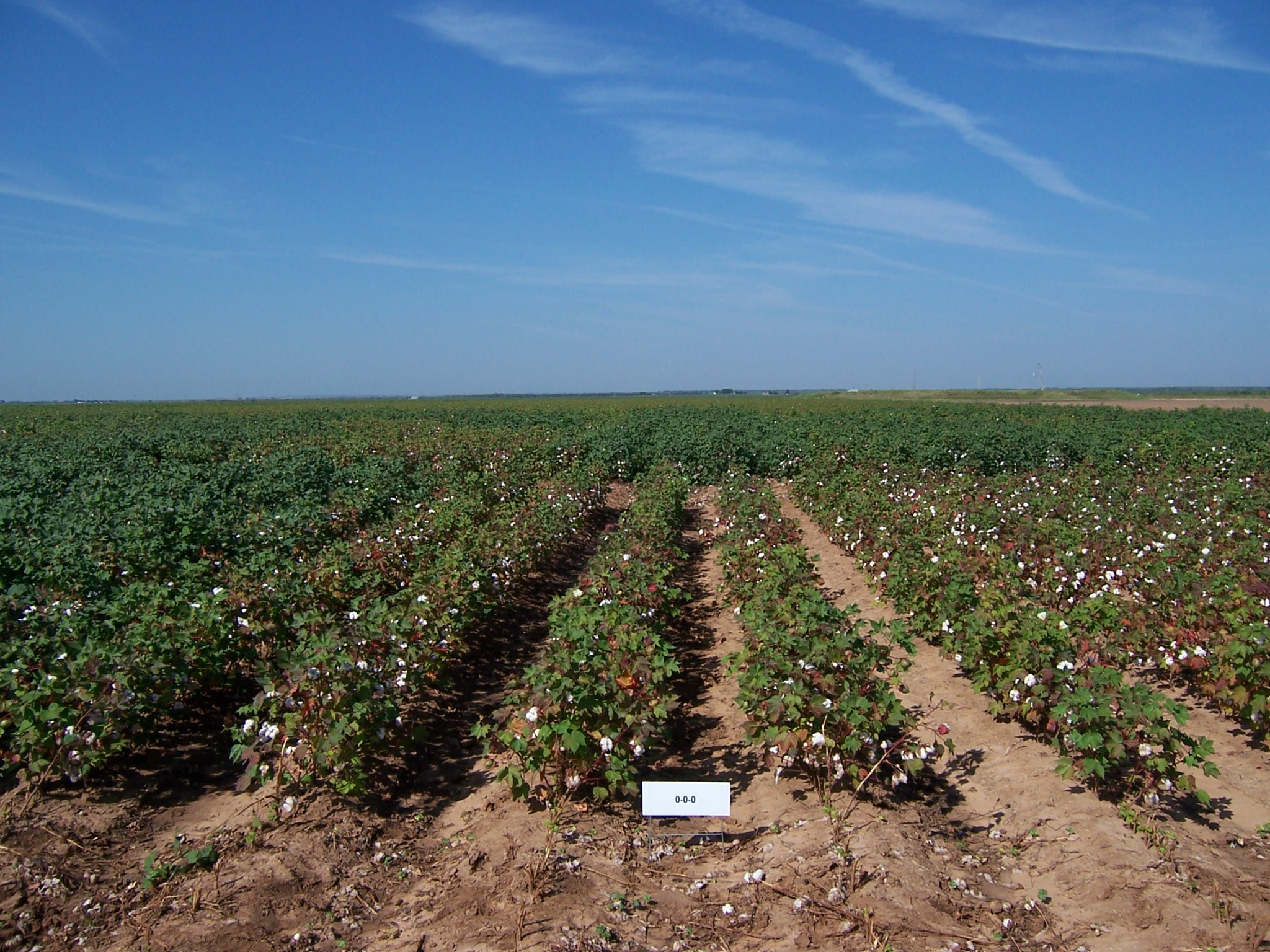
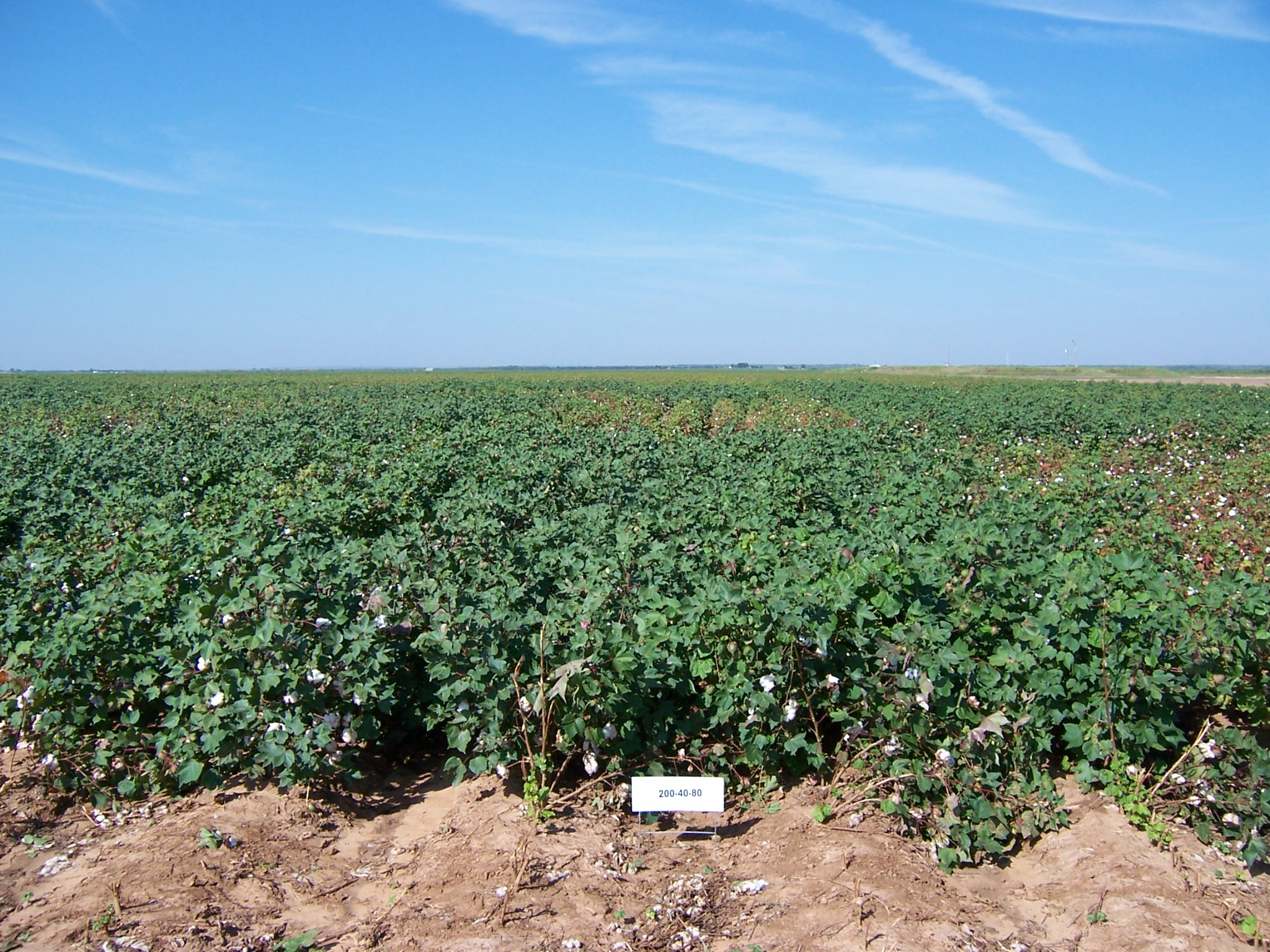
Figure 5. Mean lint yields for selected treatments using the variety, Paymaster HS26, 1995-1999, Altus, OK.